
QUALITY ASSURANCE
Right from the start. Down to the last detail.
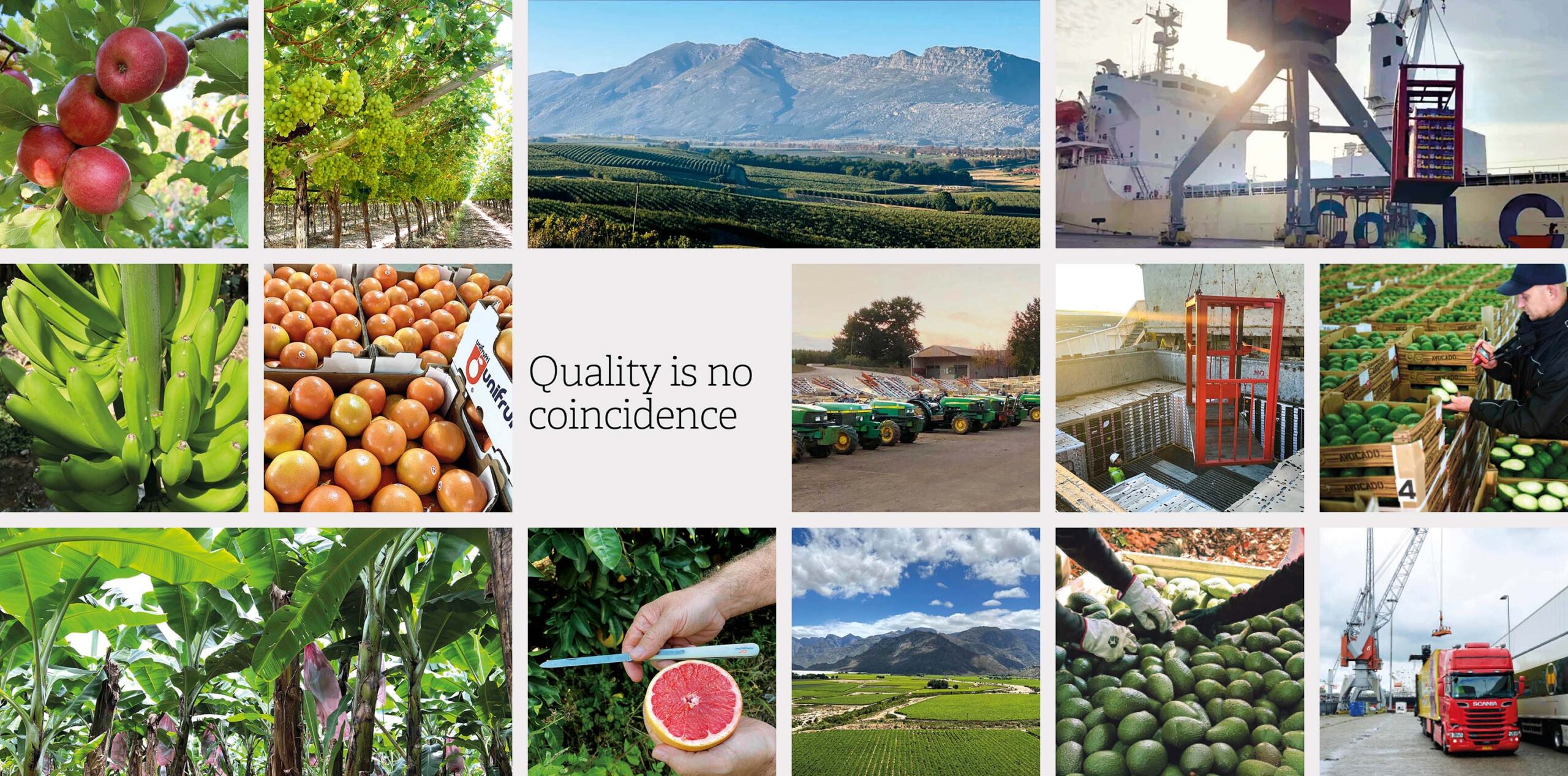
The quality, freshness and taste of our fruit are at the heart of our daily activities. To ensure this, we monitor the entire supply chain using clearly defined quality standards and regular checks – from certified producers, via packaging, export and refrigerated transport, right through to arrival at the port and delivery to our customers.
SUSTAINABILITY
We work exclusively with packing facilities certified according to HACCP principles and with GLOBALG.A.P.-certified growers who farm according to the principles of Integrated Production. In addition, social standards are audited at all of our growers. Corresponding certification according to GLOBALG.A.P. GRASP or comparable standards is a basic prerequisite for our cooperation. In addition, we regularly conduct on-site visits to personally verify the conditions at facilities in the countries of origin.
TRANSPARENCY
We ensure traceability from the production site along the entire supply chain to the customer – and ultimately to the consumer. From cultivation to the retail shelf, we can monitor the process chain at any time, maintain comprehensive documentation, and provide information on when, where, and how the fruit was produced. Using our tracing tools, we can track a product – an orange, for example – from the moment it leaves the tree.
IN DIALOGUE WITH THE MARKET
Our cooperation with producers is not a one-way street. We pass on insights from the market, changing consumer preferences and future quality requirements to our partners at an early stage. This lays an important foundation for forward-looking crop planning and production tailored to demand.
OUR COMMITMENT:
> exclusively certified producers
> regular laboratory analyses carried out by institutes accredited to statutory standards
> end-to-end traceability throughout the supply chain
WHAT WE STAND FOR
Import of top-quality fruit and vegetables
The quality, freshness, taste, and texture of fruit and vegetables — as well as food safety — are central components of our daily activities. Quality assurance takes place throughout the entire supply chain, from certified producers, through logistics, export, and refrigerated transport, to the unloading of the fruit at the port and on its way to our customers.
SUSTAINABILITY
We work exclusively with certified producers and packing companies that are committed to working as resource-efficiently as possible. High social standards are a prerequisite for working with us, which we regularly verify during our on-site visits.
TRANSPARENCY
We guarantee traceability from the production site along the entire supply chain to the customer — and ultimately to the consumer. From cultivation to the shelf, we can view the process chain at any time, document it completely, and provide information on when, where, and how the fruit was produced. With our tracing tools, we track oranges, for example, as soon as they leave the tree.
FOCUSED ON THE FUTURE
Preventive information and recommendations from the market are passed on to the producer so that planning reliability can be guaranteed. This ensures that fruit that meets consumer trends and quality requirements will continue to be available on the market in the future.
OUR COMMITMENT:
> Exclusively certified producers
> Continuous laboratory analyses in institutes certified to the highest standards
> Absolute traceability
Quality thrives on dialogue. If you have any questions about our products or our quality assurance, please do not hesitate to contact us.
GLOBAL FRUIT POINT
Our Certifications
As importers and traders, we are certified to the following standards:
IFS (BROKER) / HIGHEST LEVEL
With the IFS certification, we demonstrate that our work processes ensure the product safety of our fruit and that our customers’ requirements in this regard are met. Our IFS certification is renewed annually.
ORGANIC (EU)
As an importer and marketer of organic fruit (organic inspection body no. DE-ÖKO-001), we are obliged to comply with the EU Organic Regulations (Nos. 834/2007 and 848/2018). The certification confirms, for example, that the use of chemical synthetic plant protection products and easily soluble mineral fertilizers is strictly limited, and it prohibits the use of genetic engineering.
FAIRTRADE
The Fairtrade mark certifies products grown in accordance with Fairtrade International’s standards and therefore traded fairly; this includes specific requirements regarding wages and improved working conditions as well as additional environmental protection requirements. As an importer (FLO-ID 22769), we are committed to paying fixed purchase prices for the Fairtrade products we trade, and the premium laid down in the Fairtrade Standard is used, for example, to provide financial support to workers or to fund community projects for the personal benefit of local workers and their families.
GLOBAL FRUIT POINT
Our Certifications
As importers and distributors, we are certified according to the following standards:
IFS (Broker) / Higher Level
With IFS certification (International Featured Standards), we demonstrate that our processes ensure the food safety of our fruit while meeting our customers’ quality specifications. IFS certification is renewed annually.
Organic (EU)
As an importer and distributor of organic fruit (organic control body no. DE-ÖKO-001), we are required to comply with the EU Organic Regulations (Nos. 834/2007 and 848/2018). The certification confirms that no synthetic chemical pesticides or fertilisers are used in cultivation and prohibits the use of genetic engineering.
Fairtrade
The Fairtrade label stands for products that are grown and traded fairly, fair wages, safe working conditions and environmental protection. As importers (FLO-ID 22769), we commit to paying fixed purchase prices, while an additional premium is used to finance sustainable community projects in the countries of origin.
Climate Neutral
In 2020, we were certified as a climate-neutral company for the first time. To offset our carbon footprint, we have already supported various climate protection projects, including microloans for women in India to enable the use of solar-powered energy in their households, as well as projects aimed at preserving tropical rainforest. A new international project partnership is currently being prepared for summer/autumn 2025.
PRODUCERS
Our partners. Our standards.
RESPONSIBILITY STARTS ON THE FARM
Our production partners are certified to GLOBALG.A.P. This internationally recognized standard sets out requirements for food safety and responsible agricultural production processes.
In addition to traceability and product safety, GLOBALG.A.P. also takes into account the protection of natural resources, the responsible use of water and plant protection products, and the health and safety of workers.
FURTHER PROOF IS REQUIRED
Supplementary certifications, standards and independent audits provide additional transparency regarding environmental and social conditions at our producers’ sites.
GLOBALG.A.P. GRASP supplements the certification by assessing social practices. The focus is on working conditions, workers’ rights and the health and safety of employees.
The Rainforest Alliance sets standards for responsible agriculture. Its focus is on the protection of ecosystems and biodiversity, producers’ living conditions and fair working conditions.
SIZA (Sustainability Initiative of South Africa) assesses social and environmental requirements in South African agriculture. These include labour rights, responsible business administration and the management of natural resources.
Sedex SMETA is an internationally recognised process for the independent assessment of working conditions, health and safety, environmental aspects and business ethics.
ORGANIC. BY CONVICTION
The fruit in our organic range meets the requirements of the European Organic Regulation (EU) 2018/848 and is subject to the mandatory inspections required for organic farming.
The focus is on maintaining soil fertility, protecting natural resources and assuring the responsible treatment of the environment. The use of synthetic chemical plant protection products and easily soluble mineral fertilisers is strictly limited. Genetically modified organisms are basically prohibited in organic farming.

MAXIMUM SAFETY
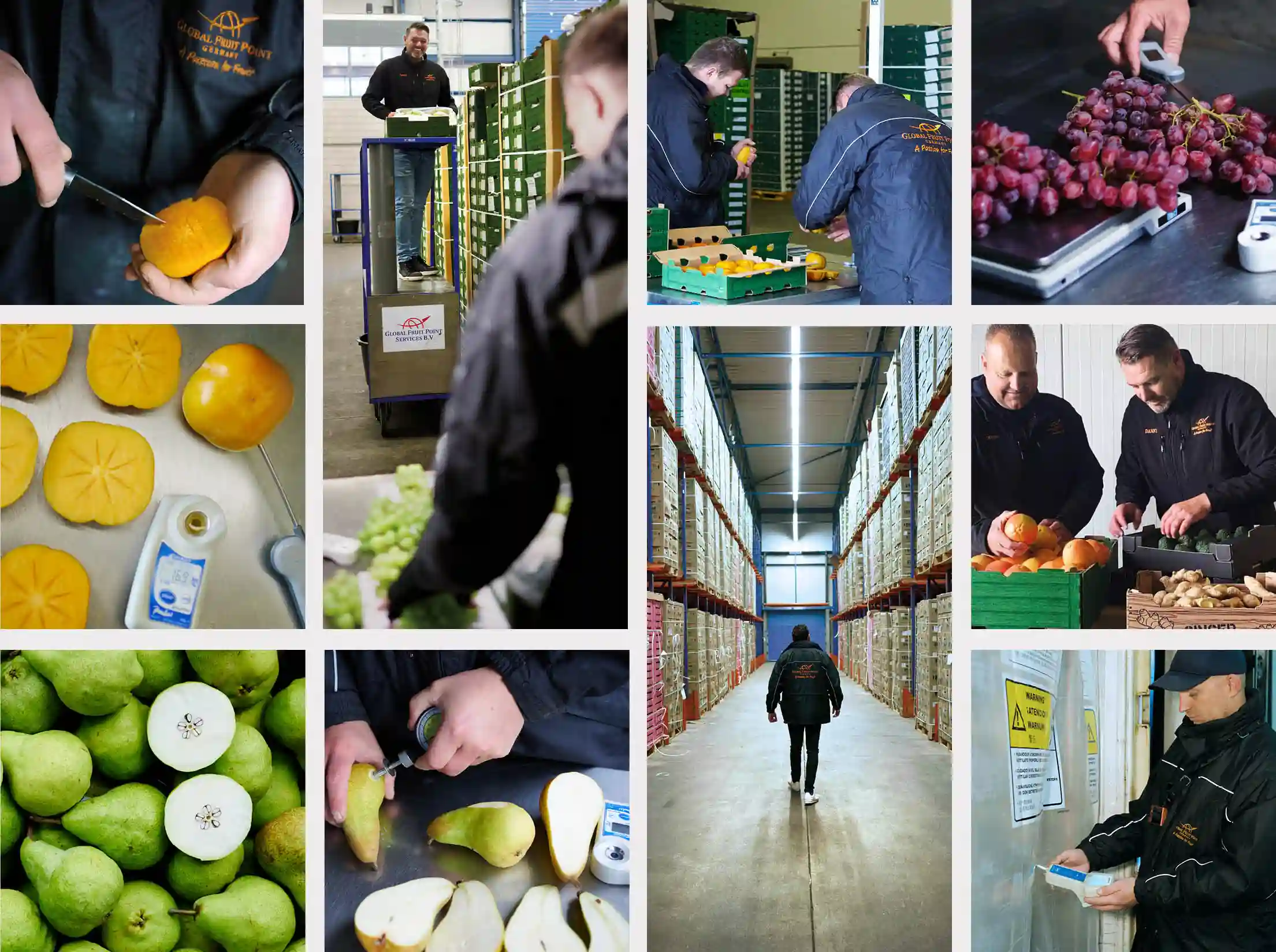
We monitor our fruit throughout the entire supply chain
AT THE PLANTATION
From cultivation through to harvest, our growers carry out regular internal checks. In doing so, they verify compliance with the applicable legal requirements – particularly regarding the use of fertilisers and plant protection products – as well as the requirements of our customers in the food retail and wholesale sectors, some of which go beyond these legal standards.
Producers and other participants in the supply chain are also regularly audited by independent certification bodies in order to maintain the required certifications.
Before and during the harvest, we visit selected farms in the countries of origin. During these visits, we discuss the expectations of our European customers and exchange views with the producers regarding their experiences and challenges. If necessary, we request product samples well before the start of the season; these are then tested in German laboratories to ensure they meet the requirements of our customers.
DURING TRANSPORT
After harvest, the fruit is sorted, packed, and transported by truck to the seaport. The voyage to Europe takes place in refrigerated containers – in some cases, under controlled atmosphere. This ensures that the temperature and climatic conditions are tailored to each specific type of fruit, and the natural ripening process is slowed down.
We also keep a close eye on the quality of our fruit throughout transport. Upon arrival in Europe, we have the shipments inspected to ensure they meet both legal marketing standards and our customers’ specific quality requirements. The results are documented, analysed, and communicated back to the producers.
In this process, we work closely with our Dutch subsidiary Global Fruit Point Services B.V. and independent quality inspectors, such as HDG Services B.V., at the Port of Rotterdam. A final outbound inspection is conducted before the produce is delivered to our customers.
The cold chain is maintained until the fruit reaches the retail sector, ensuring that its freshness and quality are preserved as effectively as possible.

INDEPENDENT FOOD INSPECTIONS
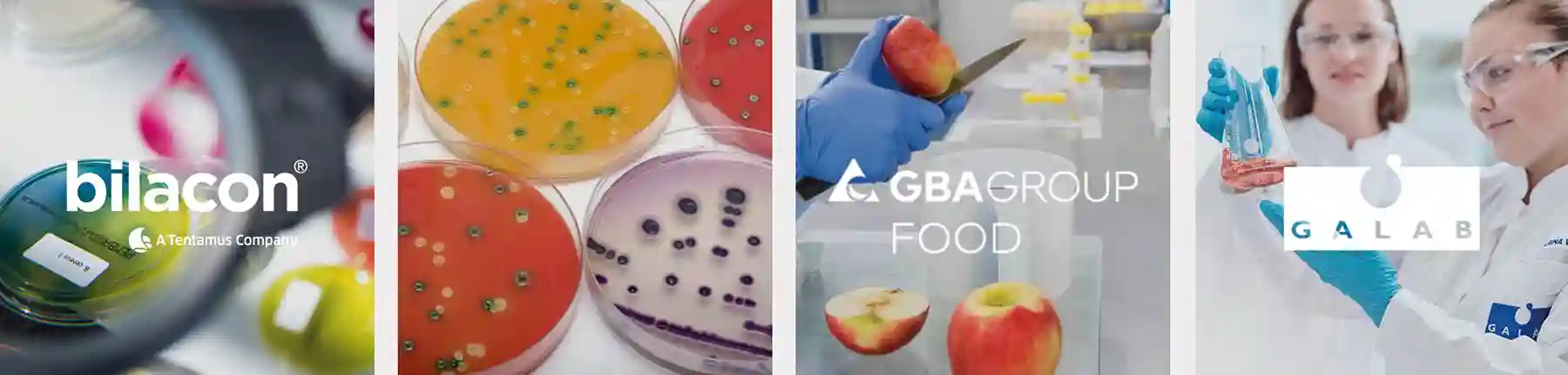
Our products undergo regular testing in German food laboratories to ensure compliance with both legal requirements and the specific guidelines set by food retailers. Analyses cover, for instance, pesticide residues, microbiological parameters, and heavy metal content. Our quality assurance team in Buxtehude possesses specialized expertise in laboratory analysis and maintains ongoing communication with relevant regulatory bodies and committees.
We select our laboratory partners based on the following criteria:
> State-of-the-art technical equipment
> Accreditation according to ISO/IEC 17025 (the global standard for laboratory accreditation)
> Listing in proficiency testing schemes – such as QS or Relana – that conduct regular audits (ring tests)
We entrust our food analysis requirements to renowned commercial laboratories, including Bilacon, Galab, and the GBA Group. We thus ensure that our products reach the customer in optimal condition.

REDUCING CO₂ EMISSIONS
The direction is clear
Up until 2023, we had our carbon footprint calculated by ClimatePartner and offset the resulting emissions by funding international climate protection projects.
As of 2025, we are taking a different approach. In collaboration with Blue North, we are tracking our CO₂ emissions and developing strategies to reduce them throughout our supply chain in the long run.
As an international fruit broker, our most important scope for action lies in the cooperation with our producers. We aim to raise their awareness regarding the measurement of their own carbon footprints and the development of ways to reduce emissions. Conversely, our influence on other parts of the supply chain – most notably transport logistics – is limited.
We view climate protection as a shared responsibility. Our contribution lies in creating transparency, fostering dialogue with our partners, and initiating change wherever we are able to exert influence.